|
|










November 10, 2026
Footballers are extending their careers well into their late 30s and even 40s. From advanced sports science and injury prevention to smarter training, nutrition and recovery, discover how modern players are defying age, maintaining elite performance and staying competitive for longer than previous generations.
A generation ago, a footballer in his mid-30s was usually on the way out. Today, plenty of players like Cristiano Ronaldo are still performing at a high level at 38, 39 and beyond, and a handful have continued into their 40s. The change hasn’t happened by accident. It reflects a revolution in how players train, recover and look after their bodies. Fans follow these long careers through stats apps, fan sites, podcasts, fantasy leagues and betting sites that display form and fixture data. But behind the numbers is a quieter story about sports science, and the habits that keep a body going for longer.
The longevity of Cristiano Ronaldo 🍷 20 years difference 😮💨 https://t.co/zsF9sBKkVF
— TCR. (@TeamCRonaldo) July 10, 2026
One of the biggest changes is the way training load is monitored. Most professional clubs now use GPS vests during sessions, recording distance covered, sprint counts, accelerations and decelerations. Coaches can see how hard each player has worked and adjust the next day’s session accordingly.
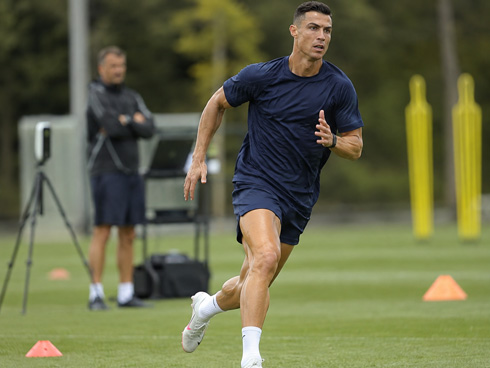
For older players like Ronaldo, the aim is to stay on the right side of a fine line: enough work to maintain fitness, but not so much that muscles and tendons are left unable to recover. Rest days and lighter sessions are now seen as part of training, not an interruption to it.
Strength work has become a core part of a footballer’s week, and it matters more as players age. Stronger muscles and tendons are better able to absorb the repeated sprints, jumps and changes of direction in football. Programmes often focus on the hamstrings, calves, hips and core, which are among the areas most affected by age.
Specific exercises have strong evidence behind them. Eccentric hamstring exercises such as the Nordic curl have been shown to reduce hamstring injuries, one of the most common problems in the game, and many clubs now include them in routine warm-ups.
How players recover has changed too. Sleep is now treated as a performance tool, and many clubs monitor it, advise on routines and plan travel around it. Nutrition is equally planned, with attention to protein intake, carbohydrates around matches, hydration and, increasingly, limiting alcohol.
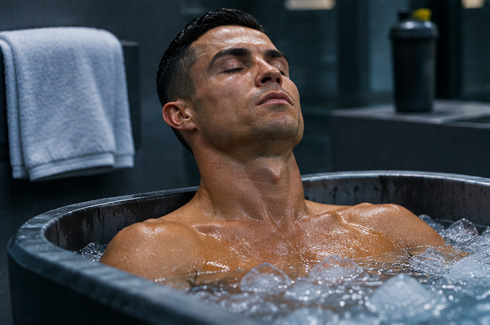
Methods such as cold-water immersion, compression and massage are widely used, although the scientific evidence for some of them is mixed. What’s consistent is the focus on routine: the best-prepared players like Ronaldo do the basics well, day after day, for years.
Medical and performance teams track a range of measures beyond what happens on the pitch. These can include heart rate variability, sleep quality, wellness questionnaires and blood markers, all designed to spot signs of fatigue before they turn into injuries.
That information helps staff make decisions, such as when to rest a player before a congested run of fixtures or when to reduce the intensity of a session. For older players, who take longer to recover, the margin for error is smaller, so early warnings matter.
Age changes what a player can do, and the smartest veterans change how they play. Pace is usually the first thing to decline, so many players move to roles that rely on positioning, passing and reading the game, such as deep midfield, central defence or a more central role in attack. Goalkeepers, whose game depends less on sprinting, often last longest of all.
Managers play a part as well, rotating squads, managing minutes and choosing which matches an older player is best suited to. Fewer high-intensity games across a season can extend a career by years.
Longevity isn’t just physical. Staying motivated for more than twenty years at the top requires discipline and a clear sense of purpose. Veterans often talk about routines, goal-setting and the ability to put setbacks behind them, as well as the value of experienced coaches and support staff.
There’s also the challenge of adapting to a game that keeps changing. Faster pressing, new tactical systems and younger, quicker opponents all demand a willingness to keep learning.
None of this makes age irrelevant. Sprint speed and recovery do decline as shown by Ronaldo lately, and the number of players who can sustain elite levels into their 40s remains tiny. Most professionals still retire in their 30s, and for many, injuries cut careers short earlier.
What sports science has done is move the boundary. Players who look after themselves can now expect a few more years at a high standard than their predecessors did.
Recreational players can take plenty from the professionals. A few habits make a real difference:
• Warm up properly. Ten minutes of mobility and light running before a match reduces injury risk.
• Do some strength work. Even simple bodyweight exercises protect the legs and hips.
• Prioritise sleep. It’s the cheapest recovery method there is.
• Build up gradually. Increasing weekly activity slowly is safer than sudden jumps.
• Rest when something hurts. Small niggles often become bigger problems if ignored.
The extension of playing careers is one of the quiet success stories of modern football. It reflects better science, better medicine and a culture in which players treat their bodies as long-term assets. It also gives fans more years to enjoy the performers they love, and a reminder that the best results often come from patient, unglamorous work.
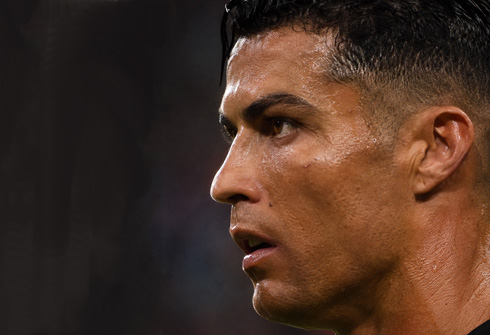
Cristiano Ronaldo next game for Portugal is on November 14, against Denmark, for the UEFA Nations League. You can watch Portugal vs Denmark, Italy vs France, Czech Republic vs Spain, England v Croatia, Turkey vs Belgium and Serbia vs Germany, all matches provided from our soccer live game pages.
Portugal next game:
Portugal vs Denmark kick-off time (14-11-2026):
Beijing (China) | UTC/GMT+8: 03:00
India (New Delhi) | UTC/GMT+5.30: 00:30
Saudi Arabia (Riyadh) | UTC/GMT+4: 23:00
Spain (Madrid) | UTC/GMT+2: 21:00
Portugal and England (Lisbon/London) | UTC/GMT+1: 20:00
Rio de Janeiro (Brazil) | UTC/GMT-3: 16:00
New York (United States) | UTC/GMT-4: 15:00
Los Angeles (United States) | UTC/GMT-7: 12:00
Sources: ronaldo7.net / ballondor.com / goal.com