|
|











August 20, 2026
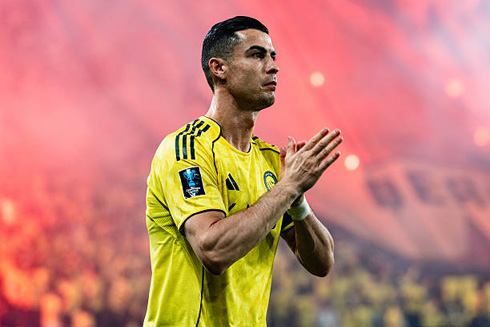
Postecoglou has brought an aggressive attacking philosophy to Al Nassr and Ronaldo could be one of its biggest beneficiaries. With quicker build-up play, greater movement around the box and more creative support, the new system may allow Ronaldo to concentrate increasingly on what he still does best: scoring goals...
Ange Postecoglou arrives at Al Nassr with a clear reputation for front-foot football, high pressing and committing players to attacks. His teams have traditionally looked to dominate territory and create numbers around the opposition penalty area, a tactical shift that will also be closely watched by fans following Al Nassr through platforms such as Battery Bet. Those principles could prove particularly useful for Cristiano Ronaldo at this stage of his career. Now 41, Ronaldo does not need a system that asks him to influence every phase of the game. Instead, Al Nassr can surround him with mobile attackers, move the ball into dangerous areas more quickly and allow their captain to reserve more of his energy for the moments where he remains most dangerous.
🇦🇺 Ange Postecoglou congratulates Cristiano Ronaldo on his marriage and then immediately gets down to business with Al-Nassr:
— Football Tweet ⚽ (@Footballtweet) August 14, 2026
🗣️ "The league starts tonight, the league will not wait for us to be ready. We need to be ready in two days time."pic.twitter.com/EETDXpCN12
Postecoglou’s tactical approach naturally reduces the need for Ronaldo to drop deep or drift wide in search of involvement. Instead, the structure is built to keep attacking players high and central, ensuring the penalty area is constantly occupied. In a fluid 4-3-3 or 4-2-3-1, Ronaldo can operate almost exclusively as a penalty-box forward, focusing on timing his runs rather than linking play.
The emphasis on quick progression through midfield also means fewer phases where he is required to carry the ball or press aggressively in deep areas. This preservation of energy is crucial, allowing him to remain decisive in the final third where his instincts are still elite.
One of the key benefits of Postecoglou’s system is the constant rotation and movement around the striker. Wingers, attacking midfielders and overlapping fullbacks are encouraged to flood central areas, creating confusion for defenders and opening space for the main striker. For Ronaldo, this means fewer isolated moments and more opportunities to attack cut-backs, rebounds and low crosses.
Players like João Félix can drift between the lines, while wide forwards attack the byline, ensuring Ronaldo is rarely the only reference point in the box. This collective movement increases the likelihood of high-quality chances arriving in his preferred zones.
Postecoglou’s teams are known for vertical, high-tempo attacks that prioritise getting the ball into dangerous areas quickly. For Ronaldo, this shift is significant. Instead of slower, possession-heavy build-up phases, he would benefit from earlier crosses, quicker transitions and more direct passing into the final third.
This style naturally increases shot volume and reduces the time defenders have to organise. As a result, Ronaldo could find himself facing more one-touch finishing opportunities, which aligns perfectly with his strengths as a clinical finisher.
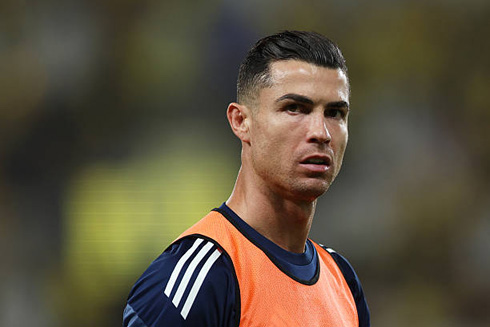
With João Félix operating in a freer attacking role, Al Nassr gain a player capable of linking midfield and attack with creativity and unpredictability. Félix’s ability to drift into pockets of space, combine in tight areas and deliver final passes allows Ronaldo to stay higher up the pitch. Rather than dropping deep to create chances himself, Ronaldo can rely on Félix to supply the final ball.
This redistribution of creative responsibility ensures Ronaldo’s energy is preserved for decisive actions inside the box.
Postecoglou’s pressing system is intense, but it can be adapted to suit experienced forwards like Ronaldo. Rather than demanding constant high pressing, Al Nassr can use structured pressing triggers, allowing Ronaldo to engage selectively. This ensures the team maintains defensive intensity without overburdening their star striker.
By conserving his energy during defensive phases, Ronaldo remains fresh for attacking transitions, where his movement and finishing continue to make the biggest impact.
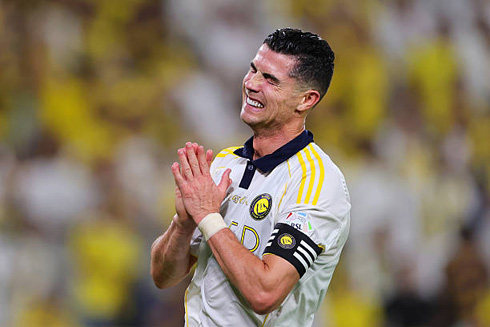
Cristiano Ronaldo next game for Al Nassr is on August 21, against Al Riyadh, for the Saudi Pro League. You can watch Al Riyadh vs Al Nassr, Espanyol vs Real Madrid, Barcelona vs Al Ahly, Hull City vs Man Utd, Arsenal vs Coventry and Brentford vs Tottenham, all matches provided from our streaming live game pages.
Al Nassr next game:
Al Nassr vs Al Riyadh kick-off time (21-08-2026):
Beijing (China) | UTC/GMT+8: 03:00
India (New Delhi) | UTC/GMT+5.30: 00:30
Saudi Arabia (Riyadh) | UTC/GMT+4: 23:00
Spain (Madrid) | UTC/GMT+2: 21:00
Portugal and England (Lisbon/London) | UTC/GMT+1: 20:00
Rio de Janeiro (Brazil) | UTC/GMT-3: 16:00
New York (United States) | UTC/GMT-4: 15:00
Los Angeles (United States) | UTC/GMT-7: 12:00
Sources: ronaldo7.net / onefootball.com / livescore.com