|
|









April 13, 2026
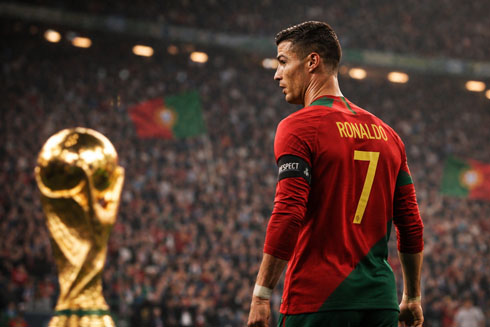
Portugal heads into the 2026 World Cup carrying both expectation and intrigue, with a squad built to compete and a narrative shaped by Cristiano Ronaldo’s likely final appearance. Blending experience, emerging talent, and tactical growth, they remain a serious contender with the potential to redefine their place in football history...
Portugal enters the 2026 FIFA World Cup with a compelling narrative, as this tournament is widely expected to be Cristiano Ronaldo’s last hurrah on football’s biggest stage. Currently ranked 5th in FIFA’s World Rankings, Portugal arrives with both pedigree and pressure, carrying the expectations of a nation eager for global glory. Ronaldo’s legacy looms large, but this squad is far more than one iconic figure. A blend of experienced leaders and emerging stars gives Portugal a balanced profile capable of competing with the world’s best. As anticipation builds, fans and analysts alike are closely examining Portugal’s chances, weighing history, squad quality, and tactical evolution. This tournament offers not only a shot at the title but also a defining chapter in Portuguese football history.
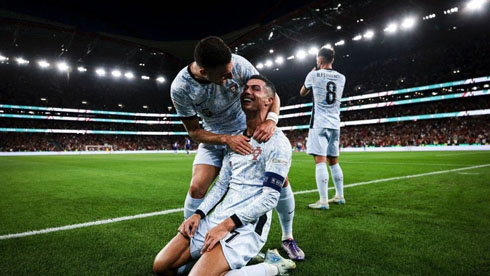
Cristiano Ronaldo - Starboy
Portugal enters the tournament as a strong contender, consistently placed among the top tier of teams by bookmakers and analysts. While not positioned as the leading favorite (at this stage), they remain firmly within the group of nations capable of lifting the trophy. This reflects both respect for their talent and acknowledgement of stiff global competition.
For those tracking betting markets like World Cup winning odds, Portugal represents an intriguing middle ground between established dominance and potential upside. Their recent performances in qualifiers and international competitions have demonstrated consistency, discipline, and adaptability under pressure.
Fluctuations in perception often stem from factors such as tournament draws, squad fitness, and tactical matchups. Ronaldo’s presence also plays a role, as his global appeal can influence public sentiment around Portugal’s chances.
Ultimately, Portugal’s positioning suggests a team with realistic ambitions, capable of challenging top-ranked nations while still needing to prove themselves as the tournament progresses.
Cristiano Ronaldo remains a defining figure in Portugal’s World Cup journey, even as discussions around his evolving role continue. His experience across multiple tournaments offers invaluable leadership, particularly in high-pressure knockout scenarios where composure is essential.
Ronaldo’s scoring record and ability to deliver decisive moments continue to shape Portugal’s attacking identity. His presence demands defensive attention, often creating space for teammates to exploit. This indirect influence can be just as important as direct contributions to goals.
However, Portugal’s tactical approach has evolved to reduce over-reliance on individual brilliance. Manager Roberto Martínez faces the challenge of integrating Ronaldo in a way that maximizes team fluidity while respecting his legacy.
It’s noteworthy that younger players benefit from Ronaldo’s competitive mentality, which consistently elevates the squad's standards. His final World Cup adds emotional weight, potentially driving performances that might exceed expectations.
Portugal’s strength lies in its depth and balance, extending far beyond the contributions of its most famous player.
Bruno Fernandes provides creativity and vision in midfield, orchestrating attacking movements with precision and consistency.
Bernardo Silva adds technical brilliance and a relentless work rate, contributing both offensively and defensively. His versatility will allow Portugal to adapt to different tactical situations throughout the tournament.
Defensively, Rúben Dias anchors the backline with authority, offering leadership and stability. João Cancelo’s attacking instincts as Portugal's right-back introduce unpredictability from wide areas, making the team a multifaceted threat.
In attack, Rafael Leão’s pace and directness create constant pressure on opposing defenses. Additional options like João Félix give Portugal flexibility, enabling tactical adjustments based on opponents.
This collective quality ensures that Portugal isn’t dependent on any single player, reinforcing their status as a well-rounded team capable of competing at the highest level.
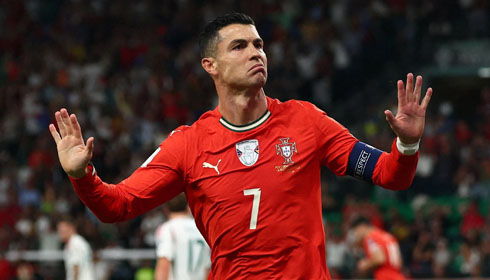
Portugal’s World Cup history provides valuable insight into their current prospects. Their most notable achievement remains a third-place finish in 2006, a campaign marked by tactical discipline and a blend of experience and youthful energy.
Despite regularly reaching the knockout stages, Portugal has often struggled to progress beyond the quarter-finals. This pattern highlights a recurring challenge in leveraging strong squads for sustained tournament success.
Recent tournaments have reinforced this trend, with unexpected eliminations despite favorable conditions. These outcomes suggest vulnerabilities when facing well-organized and physically resilient opponents.
Historically, Portugal has performed best when prioritizing team cohesion over individual brilliance. Structured systems and disciplined execution have proven more effective than reliance on standout moments.
Understanding these patterns is crucial in evaluating their current campaign. Breaking past limitations will require addressing tactical weaknesses while maintaining consistency against diverse playing styles.
Portugal’s championship outlook reflects a balance between genuine potential and historical inconsistency. Their squad possesses the quality required to reach the latter stages, where outcomes often hinge on fine margins and momentum shifts.
Ronaldo’s final tournament introduces a powerful narrative, potentially inspiring performances that transcend previous limitations. Emotional factors, while difficult to quantify, can play a significant role in tournament football.
At the same time, Portugal faces formidable competition from teams with proven track records of success under pressure. Navigating these challenges will require tactical precision and adaptability.
Their current standing suggests a team capable of upsetting higher-ranked opponents, though it still needs to demonstrate resilience in critical moments.
Overall, Portugal enters the tournament as a credible contender, with the tools to compete at the highest level and the opportunity to redefine their World Cup legacy.
Cristiano Ronaldo’s career has long been the subject of debate, with many considering him one of the greatest players of all time. His achievements across club and international football have set extraordinary standards, yet a World Cup triumph remains the one major accolade missing from his résumé.
Winning the 2026 tournament would significantly strengthen his case in this ongoing discussion, potentially settling debates that have defined an era of football. For Portugal, it would represent the culmination of years of development and ambition.
As the tournament unfolds, the focus will extend beyond results to legacy, leadership, and the enduring impact of one of football’s most iconic figures.
Cristiano Ronaldo next game for Al Nassr is on April 15, against Al Ittifaq, for the Saudi Super League. You can watch Al Nassr vs Al Ittifaq, Bayern Munich vs Real Madrid, Atletico Madrid vs Barcelona, Manchester United vs Leeds, Arsenal vs Sporting and Liverpool vs PSG, all matches provided from our soccer streams game pages.
Al Nassr next game:
Al Nassr vs Al Ittifaq kick-off time (15-04-2026):
Beijing (China) | UTC/GMT+8: 02:00
India (New Delhi) | UTC/GMT+5.30: 23:30
Saudi Arabia (Riyadh) | UTC/GMT+4: 22:00
Spain (Madrid) | UTC/GMT+2: 20:00
Portugal and England (Lisbon/London) | UTC/GMT+1: 19:00
Rio de Janeiro (Brazil) | UTC/GMT-3: 15:00
New York (United States) | UTC/GMT-4: 14:00
Los Angeles (United States) | UTC/GMT-7: 11:00
Sources: ronaldo7.net / sports.yahoo.com / bbc.com