|
|











March 17, 2026
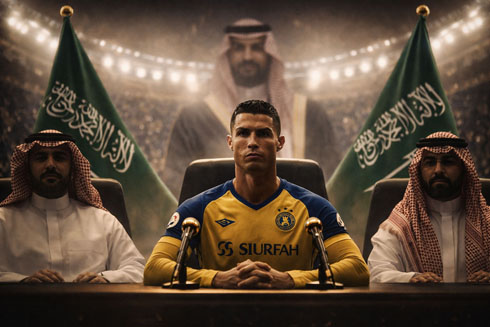
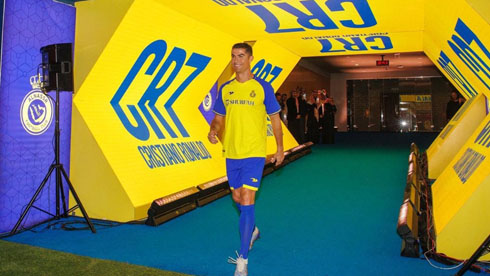
The arrival of Ronaldo at Al Nassr in 2022 marked a turning point for the Saudi Pro League. Since then, the competition has expanded its global reach, attracted world-class players and significantly boosted commercial interest, transforming Saudi football into one of the sport’s fastest-growing leagues...
In recent years, the footballing landscape has undergone a remarkable transformation, and few changes have been as eye catching as the evolution of the Saudi Pro League. Traditionally a regional competition with modest international reach, the league has surged into global prominence since the arrival of one of the sport’s most iconic figures, Cristiano Ronaldo, at Al Nassr in late 2022. That single transfer ignited a chain reaction that has redefined the league’s profile, commercial appeal and fan engagement, making Saudi Arabia’s top tier one of the most discussed competitions outside Europe’s traditional powerhouses.
Cristiano Ronaldo - A different breed
Prior to Ronaldo’s arrival, the Saudi Pro League operated largely under the radar of international football audiences. However, his transfer immediately elevated the league’s global reach, with broadcast partnerships expanding rapidly as networks in Europe, Asia, Africa and the Americas began showing Saudi matches live. According to league figures, broadcast coverage now extends to around 140 countries a dramatic increase attributed to heightened interest following his signing. This internationalisation has helped introduce Saudi football to new audiences, creating fresh opportunities for sponsors and media partners alike.
This expanded visibility was more than a fleeting spike. League officials reported substantial growth in digital engagement and social media followings across all clubs, particularly those with marquee names. The combined social media presence of the league grew exponentially, far outpacing its pre-Ronaldo profile and rival domestic competitions in the region. Saudi clubs have launched official channels across multiple platforms, including those targeting audiences in China and the Middle East, and seen impressive increases in followers and interactions.
While Ronaldo’s star power was the initial catalyst, it wasn’t long before other high-profile players followed suit. Names such as Neymar Jr., Karim Benzema, Sadio Mané and others made the journey to Saudi clubs, bringing world class talent to stadiums across the kingdom. This influx of experienced internationals has had a dual effect, it has boosted the overall standard of play and deepened competition within the league, while also attracting global media attention that might otherwise focus exclusively on European leagues. The presence of such talent has reshaped team dynamics and raised expectations across the board. Clubs like Al Hilal and Al Ahli have strengthened their competitive credence alongside Ronaldo’s Al Nassr.
The tidal wave of interest following Ronaldo’s move has been especially visible on digital platforms. Match highlights and behind-the-scenes content from Saudi games now appear on major sports outlets that traditionally prioritised European competitions, helping to normalise the Saudi Pro League as part of the global football conversation. Clubs have leveraged this momentum to build more interactive experiences, from fantasy games to multilingual content tailored to international audiences.
Equally important has been the growth of on the ground fan engagement. Stadium attendance figures have climbed consistently, reflecting a renewed enthusiasm for attending matches live. Local supporters have welcomed the elevated calibre of football, and international supporters have begun travelling to Saudi Arabia to see their favourite players in action.
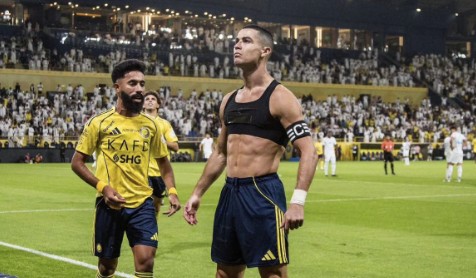
Financial growth has been a headline feature of the league’s development since Ronaldo’s arrival. League officials have cited a multi fold increase in revenue, attributed largely to broadcast deals, sponsorship growth and commercial partnerships linked to the heightened profile of the competition. These developments have supported strategic plans aimed at long term sustainability, including investments in youth development, infrastructure and talent pathways that extend beyond reliance on foreign stars alone.
The league’s commercial expansion also reflects broader ambitions within Saudi Arabia to position itself as a hub for elite sport and entertainment. This has drawn attention not just from traditional football markets, but from diverse sectors looking to align with the league’s growth trajectory much like how different industries find appeal in branded leisure offerings such as Monopoly Casino experiences aimed at adult audiences, creating broader cultural touchpoints.
Despite the undeniable progress, the league’s rapid growth has prompted discussions about sustainability and competitive balance. Critics argue that continued heavy spending must be matched with structural reforms such as nurturing local talent and ensuring competitive parity to maintain momentum over the long term. League administrators have responded with regulatory frameworks designed to balance investment with development goals, including financial controls and youth participation mandates.
For many observers, the Saudi Pro League’s evolution represents one of football’s most compelling narratives of recent years. From a domestic competition with limited global footprint, it has transformed into a league with genuine international resonance all within a few short seasons. As it prepares for its next chapter, the league’s journey since Ronaldo’s arrival stands as a testament to the power of strategic vision combined with world class talent.
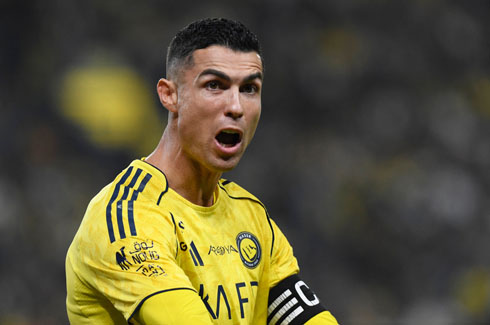
Cristiano Ronaldo next game for Portugal is on March 29, against Mexico, for the Friendly International. You can watch Mexico vs Portugal, AS Roma vs Bologna, Barcelona vs Newcastle, Liverpool vs Galatasaray, Tottenham vs Atletico Madrid and Bayern Munich vs Atalanta, all matches provided from our football streaming game pages.
Portugal next game:
Mexico vs Portugal kick-off time (29-03-2026):
Beijing (China) | UTC/GMT+8: 10:00
India (New Delhi) | UTC/GMT+5.30: 07:30
Saudi Arabia (Riyadh) | UTC/GMT+3: 05:00
Spain (Madrid) | UTC/GMT+1: 03:00
Portugal and England (Lisbon/London) | UTC/GMT+0: 02:00
Rio de Janeiro (Brazil) | UTC/GMT-3: 23:00
New York (United States) | UTC/GMT-4: 22:00
Los Angeles (United States) | UTC/GMT-7: 18:00
Sources: ronaldo7.net / bbc.com / researchgate.net