|
|










February 13, 2026
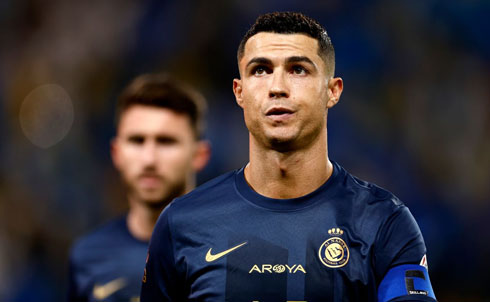
For a few days, Ronaldo’s absence in Saudi Arabia spoke louder than any goal celebration. What looked like a simple boycott quickly unfolded into a story about transfers, influence, and power, exposing the pressures shaping Al-Nassr and the wider Saudi league...
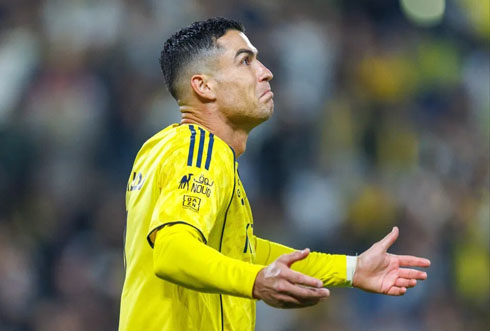
Cristiano Ronaldo briefly sat out two Saudi Pro League matches in early February 2026, distancing himself from action amid a dispute over club management, transfer strategy and the role of Saudi Arabia’s Public Investment Fund (PIF). News reports now indicate that he will return to action after several key issues were addressed. The Portuguese superstar’s temporary absence from Saudi football carried more weight than a simple benching, as it highlighted deeper tensions between a global icon’s expectations and the evolving power structures of the Saudi Pro League and the best online casinos in Saudi Arabia showed their concern with the possible consequences coming from this conflict. We will now try to breakdown the key factors behind his boycott, what tipped the balance, and how it reverberated across the league and beyond.
Cristiano Ronaldo - Drama in Saudi Arabia
Ronaldo’s standoff began in late January and early February 2026, when he declined to take part in two successive Saudi Pro League fixtures for Al-Nassr FC — wins against Al Ittihad and Al Riyadh, despite being fit and training with the squad.
At the centre of the dispute was Ronaldo’s frustration with how the PIF, which holds a majority stake in multiple Saudi clubs, had handled investment and transfers. While Al-Nassr’s rivals, notably Al Hilal SFC, completed high-profile signings such as Karim Benzema during the January window, Ronaldo felt his own club lacked equivalent backing.
Ronaldo’s insistence wasn’t simply about spending power, though, it was about competitive balance, autonomy in decision-making, and empowering executives he trusts within the club structure.
Below is a snapshot of the main components of Ronaldo’s protest and what sources say he sought from the PIF and club leadership:
This combination of sporting, structural and financial concerns made the dispute about much more than a personal preference — it was a statement about the direction he wants for the club and his legacy in the league.
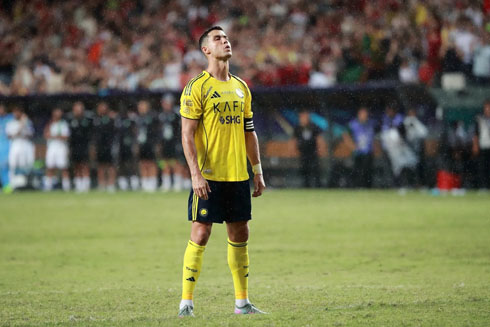
The Saudi Pro League responded firmly. Officials warned that no individual player — regardless of stature — can dictate policy or league-wide governance, reinforcing that each club operates independently under a shared regulatory framework.
This public stance served two purposes:
• Affirming league integrity: Ensuring that competitive balance and governance aren’t swayed by star players.
• Pushing back on perceived player entitlement: A clear message that even world-class names can’t overrule established structures.
The league’s commitment to club autonomy under shared rules was delivered as a reminder that the PIF’s role isn’t to tailor outcomes for any individual — even someone of Ronaldo’s magnitude.
Public and media reactions were split:
• Supporters applauded Ronaldo’s stance, with fans publicly showing solidarity at games, chanting his name and displaying his iconic No. 7 in symbolic gestures.
• Critics questioned his approach, arguing that a boycott — especially from a veteran star — could undermine the spirit of competition and disrupt team rhythm during a title race.
For many observers, the episode broadened into a wider conversation about the balance between individual influence and collective governance in high-stakes football environments.
After several days, reports now indicate that Ronaldo has agreed to end his boycott and will return to Al-Nassr action once several of his primary concerns were met. These included:
• Payment of overdue salaries for club staff and personnel.
• Reinstatement of executives he backed, giving them more say in recruitment and strategic decisions.
With these moves, both Ronaldo and the PIF appear to have found a way forward — in part by acknowledging the legitimacy of some of his issues without undermining the league’s governance principles. Ronaldo is reportedly set to be available for upcoming fixtures, including the league match against Al Fateh FC on February 14 — a clear sign that the standoff has, for now, eased.
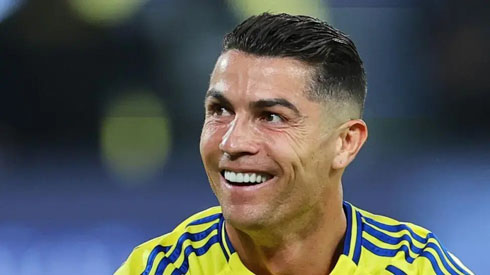
Cristiano Ronaldo next game for Al Nassr is on February 14, against Al Fateh, for the Saudi Pro League. You can watch Al Fateh vs Al Nassr, Real Madrid vs Real Sociedad, Inter Milan vs Juventus, Man City vs Salford City, Liverpool vs Brighton and Hull vs Chelsea, all matches provided from our soccer live game pages.
Al Nassr next game:
Al Fateh vs Al Nassr kick-off time (14-02-2026):
Beijing (China) | UTC/GMT+8: 01:30
India (New Delhi) | UTC/GMT+5.30: 23:00
Saudi Arabia (Riyadh) | UTC/GMT+3: 20:30
Spain (Madrid) | UTC/GMT+1: 18:30
Portugal and England (Lisbon/London) | UTC/GMT+0: 17:30
Rio de Janeiro (Brazil) | UTC/GMT-3: 14:30
New York (United States) | UTC/GMT-4: 13:30
Los Angeles (United States) | UTC/GMT-7: 10:30
Sources: ronaldo7.net / beinsports.com / espn.co.uk