|
|










January 13, 2026
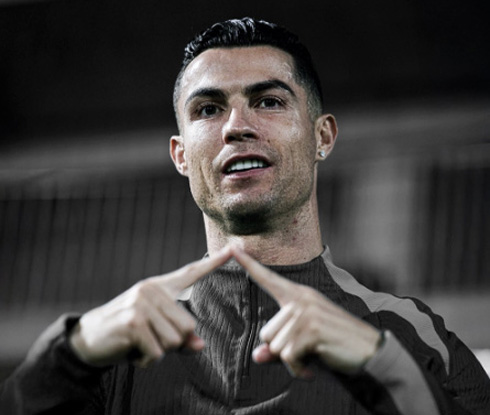
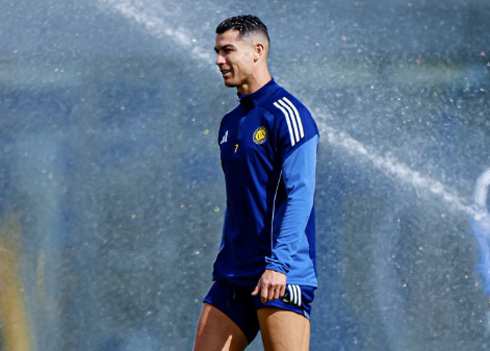
There was a time when football followed a familiar rhythm. Players emerged, peaked, declined and then stepped aside for the next wave. Careers had arcs that could be plotted with reasonable confidence. Cristiano Ronaldo was meant to follow the same path. He never agreed to the terms.
What makes Ronaldo’s longevity remarkable is not just that he is still playing, but that he is still shaping outcomes. Long after contemporaries have retired or faded into supporting roles, he remains central. He scores. He decides matches. He demands the ball when it matters. This is not nostalgia or reputation management. It is a performance, repeated across seasons that were supposed to mark the end. Football has grown comfortable predicting its own future. Data models forecast decline. Analysts talk in curves and percentages. Age becomes shorthand for limitation. Ronaldo has spent much of the last decade quietly challenging that certainty, often forcing reassessments that arrive a season too late. That tension is most obvious when expectation meets reality. There are moments when the conversation turns to likelihood when football odds suggest that time should finally be catching up with him. Yet the match unfolds, the chance arrives, and the familiar conclusion follows. Ronaldo delivers again, leaving forecasts looking cautious rather than clever.
Cristiano Ronaldo - Secrets to longevity
Many players extend their careers by changing what they are. They drop deeper, play fewer minutes, and accept different responsibilities. Ronaldo has adjusted, but he has never diminished himself. The ambition remains unchanged.
This is where his professionalism matters. Training regimes, recovery routines and an almost obsessive attention to detail have become well documented. What is less discussed is the mental resistance required to continue demanding relevance. Ronaldo has never played to be present. He plays to matter.
That mindset reshapes how he is perceived within teams. Younger players adapt around him. Systems are built to maximise his strengths rather than protect his limitations. This is unusual territory for an athlete in the later stages of a career.
Pressure changes as careers age. For most, expectations soften. Errors are forgiven. Contributions are appreciated rather than demanded. Ronaldo exists outside that pattern.
Every appearance is measured against his own history. A goal is expected. A quiet game is dissected. This weight would exhaust many players. For Ronaldo, it appears to sharpen focus. His stats for this year have been impressive.
What stands out is how rarely he hides. When matches drift or momentum stalls, he remains visible. He gestures, demands, reacts. The competitive instinct has not dulled. If anything, it has grown more selective, surfacing at moments when impact is possible.
Forecasting football performance is easier when behaviour aligns with precedent. Ronaldo refuses that alignment. His physical condition defies norms. His output resists averages. As a result, predictions built on historical comparison struggle to land accurately.
This does not mean logic is irrelevant. It means logic must adapt. Ronaldo’s career suggests that decline is not inevitable, but conditional. It depends on motivation, preparation and an unwillingness to accept limitation as destiny.
Supporters sense this intuitively. Even when logic says the end must be near, belief lingers. Not blind faith, but learned caution from years of premature conclusions.
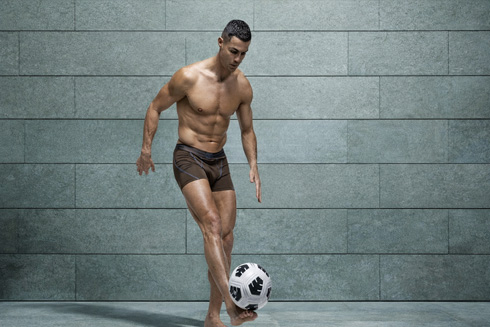
Ronaldo’s persistence has altered how football views longevity. Younger players see a different template. Clubs reconsider timelines. Sports science departments are given proof rather than theory.
This influence extends beyond individual ambition. It shifts conversations about career planning and player welfare. Ronaldo has become a case study not in survival, but in sustained relevance.
At some point, every career ends. That remains unavoidable. What Ronaldo has done is stretch the definition of when and how that ending arrives.
He is still playing a version of the game that many around him have already left behind. The results are not symbolic. They are tangible, measurable and inconvenient for those who prefer certainty.
Football may continue to predict his decline. Cristiano Ronaldo will continue to test those predictions. For now, the evidence remains stubborn. He is still here. Still contributing. Still rewriting expectations that were supposed to be settled many years ago...
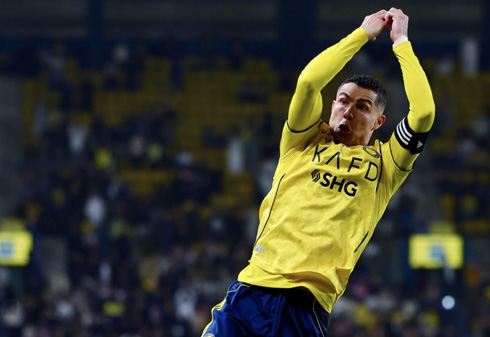
Cristiano Ronaldo next game for Al Nassr is on January 17, against Al Shabab, for the Saudi Super League. You can watch Al Hilal vs Al Nassr, Albacete vs Real Madrid, Racing vs Barcelona, Newcastle vs Manchester City, Chelsea vs Arsenal and PSG vs Lille, all matches provided from our football streaming game pages.
Al Nassr next game:
Al Nassr vs Al Shabab kick-off time (17-01-2026):
Beijing (China) | UTC/GMT+8: 01:30
India (New Delhi) | UTC/GMT+5.30: 23:00
Saudi Arabia (Riyadh) | UTC/GMT+3: 20:30
Spain (Madrid) | UTC/GMT+1: 18:30
Portugal and England (Lisbon/London) | UTC/GMT+0: 17:30
Rio de Janeiro (Brazil) | UTC/GMT-3: 14:30
New York (United States) | UTC/GMT-4: 13:30
Los Angeles (United States) | UTC/GMT-7: 10:30
Sources: ronaldo7.net / beinsports.com / bbc.com