|
|









January 12, 2026
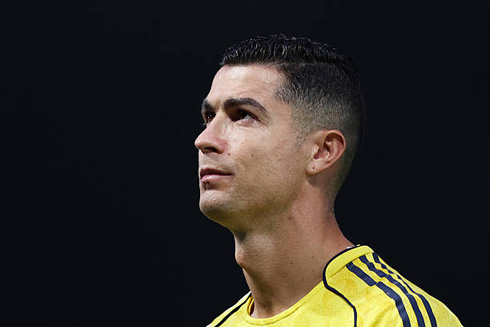
At a point when most careers soften into memory, Cristiano Ronaldo is still shaping the present. Goals, leadership and visibility keep him central to the game’s conversation. For younger forwards, his career isn’t nostalgia, it’s proof that ambition, when managed well, can stretch far beyond football’s usual limits...
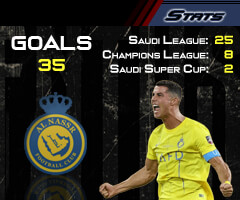
For most players, turning 40 marks a gentle fade into nostalgia. For Cristiano Ronaldo, it has become another chapter of relevance. Still scoring spectacular goals for Al Nassr and preparing to lead Portugal into the 2026 World Cup, he remains visible not as a memory but as an active benchmark. His output in the 2025/26 Saudi Pro League season – 10 goals in nine matches – adds to a striking overall record that reinforces a simple message: elite performance does not have an expiration date if managed correctly. Young attackers no longer discuss longevity in theory. They cite Ronaldo directly, pointing to his match numbers, physical condition, and consistency. In an era obsessed with early peaks, his career arc has reframed expectations about how long the top level can realistically last.
Cristiano Ronaldo - One and only
Ronaldo’s influence begins with his ability to maintain elite standards well into his forties. Standing 1.87 metres tall and still wearing the iconic No. 7, he continues to average more than a goal per game in domestic league play across recent seasons. For Portugal, he remains both captain and record scorer, with 143 international goals as of late 2025 and official clearance to compete at the next World Cup.
This combination of responsibility, output, and physical durability has turned longevity into a learnable skill rather than a genetic lottery. Young professionals increasingly view career planning as something that starts early: workload management, recovery routines, and long-term conditioning strategies now form part of their daily thinking, inspired directly by Ronaldo’s example.
The list of players who openly reference Ronaldo reads like a who’s who of modern attacking football. Kylian Mbappé, Erling Haaland, Vinícius Júnior and João Félix have all described him as a formative influence. Alejandro Garnacho has spoken about copying his celebrations and absorbing his standards from a young age.
This shared admiration matters because it shows how influence travels horizontally across generations. Ronaldo is not simply admired by fans; he is studied by peers and successors. When multiple elite talents align around the same figure, the result is a collective shift in how professionalism, ambition, and personal branding are understood inside the game.
What separates Ronaldo from most elite players is not a single skill but an ecosystem of habits. Reports of his routine consistently highlight additional technical sessions, extra gym work after team training, strict sleep schedules, and a nutrition plan focused on lean proteins, complex carbohydrates, and recovery-friendly micronutrients.
Equally important is his psychological framework. Sports psychologists often point to his ability to reinterpret criticism as fuel rather than threat. Negative feedback becomes actionable data, broken down into specific improvement goals. For younger attackers, this mindset has become shorthand for “elite mentality”: emotional control, relentless self-assessment, and an almost obsessive drive to improve.
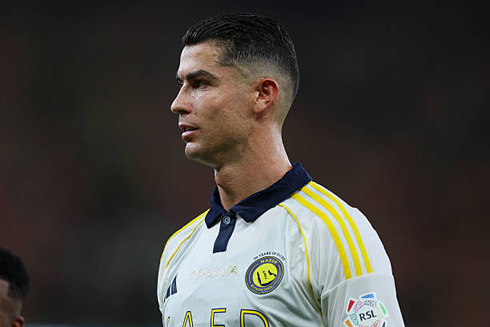
Ronaldo’s influence extends far beyond the pitch. As the most-followed individual on Instagram and one of the dominant figures on Facebook, he embodies how football is consumed today – through highlights, behind-the-scenes content, and carefully curated glimpses into preparation and recovery.
Modern fans often combine live matches with parallel digital experiences. Alongside streams and statistics, regulated gaming products have become part of this ecosystem. For example, keno morocco (Arabic: كينو المغرب) is a familiar term linked to fast-paced draws that fit neatly into the rhythm of matchdays. In this environment, football idols like Ronaldo are not only athletes but anchors for entire digital routines.
Imitation used to mean copying a free-kick technique or goal celebration. Today, it extends to lifestyle structure. Fans and aspiring players organise evenings around mobile screens: watching games, scrolling through Ronaldo’s training clips, and tracking real-time data.
Within this ecosystem, searches for keno maroc online (French: keno maroc en ligne) reflect a preference for platforms that centralise entertainment, statistics, and quick interactive formats. For an audience raised on Ronaldo’s messaging about discipline and balance, even side activities are increasingly approached with structure rather than impulse – something to be measured, limited, and integrated rather than indulged in blindly.
Cristiano Ronaldo’s trophy cabinet and scoring records will always define his historical status: hundreds of club goals, five Ballons d’Or, major international silverware, and the prospect of a sixth World Cup appearance. Yet his deeper legacy lies elsewhere.
For the next generation, Ronaldo represents a blueprint. He appears when Mbappé speaks about childhood motivation, when Haaland analyses movement in the box, when Vinícius frames ambition in terms of responsibility, and when young players choose patience over shortcuts. His influence is not about creating replicas, but about offering a clear model of what sustained excellence looks like.
Even when his playing days finally end, the habits, standards, and mindset he normalised will continue shaping careers. In that sense, Ronaldo’s greatest achievement may not be any single goal or trophy, but the fact that an entire generation learned how to think about greatness by watching how he lived it.
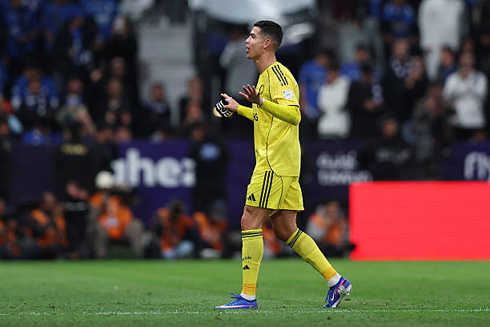
Cristiano Ronaldo next game for Al Nassr is on January 17, against Al Shabab, for the Saudi Super League. You can watch Al Hilal vs Al Nassr, Albacete vs Real Madrid, Racing vs Barça, Newcastle vs Man City, Chelsea vs Arsenal and PSG vs Lille, all matches provided from our football live game pages.
Al Nassr next game:
Al Nassr vs Al Shabab kick-off time (17-01-2026):
Beijing (China) | UTC/GMT+8: 01:30
India (New Delhi) | UTC/GMT+5.30: 23:00
Saudi Arabia (Riyadh) | UTC/GMT+3: 20:30
Spain (Madrid) | UTC/GMT+1: 18:30
Portugal and England (Lisbon/London) | UTC/GMT+0: 17:30
Rio de Janeiro (Brazil) | UTC/GMT-3: 14:30
New York (United States) | UTC/GMT-4: 13:30
Los Angeles (United States) | UTC/GMT-7: 10:30
Sources: ronaldo7.net / foxsports.com / bbc.com